Buy fastpic.eu ?
We are moving the project
fastpic.eu .
Are you interested in purchasing the domain
fastpic.eu ?
domain@kv-gmbh.de · 0541-91531010
Buy fastpic.eu ?
Is spinal stenosis curable?
Spinal stenosis is not curable, but it can be managed effectively with various treatment options. These may include physical therapy, medications, epidural injections, and in severe cases, surgery. The goal of treatment is to alleviate symptoms, improve mobility, and enhance quality of life for individuals with spinal stenosis. It is important for individuals with this condition to work closely with their healthcare provider to develop a personalized treatment plan. **
Which physiotherapy for spinal stenosis?
Physiotherapy for spinal stenosis typically involves a combination of exercises to improve flexibility, strength, and posture. These exercises can help alleviate symptoms such as pain, numbness, and weakness in the affected areas. Additionally, manual therapy techniques like massage and joint mobilization may be used to reduce muscle tension and improve mobility in the spine. It is important to consult with a physiotherapist to create a personalized treatment plan based on the individual's specific symptoms and needs. **
Similar search terms for Stenosis
Top-Angebote
Products related to Stenosis:
-
What is an ostial stenosis?
Ostial stenosis is a condition where there is a narrowing or constriction in the opening of a blood vessel or a hollow organ. This narrowing can restrict blood flow or the passage of fluids through the affected vessel or organ. Ostial stenosis can occur in various parts of the body, such as the coronary arteries, renal arteries, or the gastrointestinal tract, and can lead to symptoms like chest pain, high blood pressure, or digestive issues depending on the location of the stenosis. Treatment for ostial stenosis may involve medications, lifestyle changes, or procedures to widen or bypass the narrowed area. **
-
Do I have a bowel stenosis?
I'm not a medical professional, so I cannot provide a diagnosis. Bowel stenosis is a condition where there is a narrowing of the bowel, leading to potential blockages. If you are experiencing symptoms such as severe abdominal pain, bloating, constipation, or vomiting, it is important to consult with a healthcare provider for a proper evaluation and diagnosis. They may recommend imaging tests such as a CT scan or colonoscopy to determine if you have bowel stenosis. **
-
What is a spinal stenosis 2?
Spinal stenosis is a condition characterized by the narrowing of the spinal canal, which can put pressure on the spinal cord and nerves. This can lead to symptoms such as pain, numbness, and weakness in the arms or legs. Spinal stenosis can be caused by a variety of factors, including aging, arthritis, and spinal injuries. Treatment options for spinal stenosis may include physical therapy, medication, and in some cases, surgery to relieve the pressure on the spinal cord and nerves. **
-
What can I do for spinal stenosis?
For spinal stenosis, it is important to consult with a healthcare professional for an accurate diagnosis and personalized treatment plan. Treatment options may include physical therapy, pain management techniques, medication, and in severe cases, surgery. It is also recommended to maintain a healthy weight, engage in regular exercise to strengthen the muscles supporting the spine, and practice good posture to help manage symptoms and prevent further complications. **
What symptoms does a spinal stenosis cause?
Spinal stenosis can cause symptoms such as pain, numbness, weakness, or tingling in the arms or legs. Patients may also experience difficulty walking or maintaining balance. In severe cases, spinal stenosis can lead to bladder or bowel dysfunction. Symptoms can vary depending on the location and severity of the stenosis. **
What to do in case of spinal canal stenosis?
In case of spinal canal stenosis, it is important to seek medical attention from a healthcare provider such as a neurologist or orthopedic surgeon. Treatment options may include physical therapy, pain management, and in severe cases, surgery to relieve pressure on the spinal cord. It is essential to follow the recommended treatment plan and avoid activities that worsen symptoms to prevent further damage to the spine. Regular follow-up appointments with a healthcare provider are also important to monitor the condition and make any necessary adjustments to the treatment plan. **
Top-Angebote
Products related to Stenosis:
-
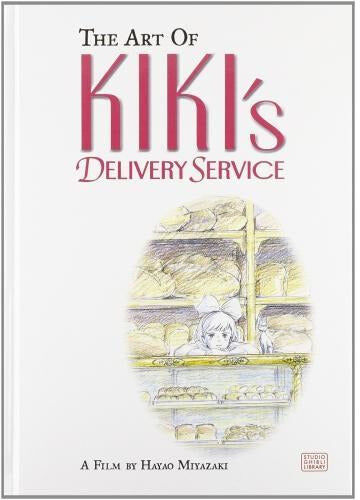
Viz Media The Art Of Kikis Delivery Service - Studio Ghibli LibraryThe Art of Kiki's Delivery Service Description: Now that she's 13 years old; it's time for young Kiki to start thinking about her future. So one night; under the light of a full moon; she grabs her black cat; Jiji; hops on her mother's broom and heads off into the night. The next day she alights upon a friendly Oceanside city; and this; she tells her loyal and furry companion; is where she'll spend the next year learning how to become a real; honest-to-goodness witch. Related Tags: Viz Media, Viz Media LLC17,99 £*Shipping: 2,99 £Secure redirect to the provider
-
Is spinal stenosis curable?
Spinal stenosis is not curable, but it can be managed effectively with various treatment options. These may include physical therapy, medications, epidural injections, and in severe cases, surgery. The goal of treatment is to alleviate symptoms, improve mobility, and enhance quality of life for individuals with spinal stenosis. It is important for individuals with this condition to work closely with their healthcare provider to develop a personalized treatment plan. **
-
Which physiotherapy for spinal stenosis?
Physiotherapy for spinal stenosis typically involves a combination of exercises to improve flexibility, strength, and posture. These exercises can help alleviate symptoms such as pain, numbness, and weakness in the affected areas. Additionally, manual therapy techniques like massage and joint mobilization may be used to reduce muscle tension and improve mobility in the spine. It is important to consult with a physiotherapist to create a personalized treatment plan based on the individual's specific symptoms and needs. **
-
What is an ostial stenosis?
Ostial stenosis is a condition where there is a narrowing or constriction in the opening of a blood vessel or a hollow organ. This narrowing can restrict blood flow or the passage of fluids through the affected vessel or organ. Ostial stenosis can occur in various parts of the body, such as the coronary arteries, renal arteries, or the gastrointestinal tract, and can lead to symptoms like chest pain, high blood pressure, or digestive issues depending on the location of the stenosis. Treatment for ostial stenosis may involve medications, lifestyle changes, or procedures to widen or bypass the narrowed area. **
-
Do I have a bowel stenosis?
I'm not a medical professional, so I cannot provide a diagnosis. Bowel stenosis is a condition where there is a narrowing of the bowel, leading to potential blockages. If you are experiencing symptoms such as severe abdominal pain, bloating, constipation, or vomiting, it is important to consult with a healthcare provider for a proper evaluation and diagnosis. They may recommend imaging tests such as a CT scan or colonoscopy to determine if you have bowel stenosis. **
Similar search terms for Stenosis
-
What is a spinal stenosis 2?
Spinal stenosis is a condition characterized by the narrowing of the spinal canal, which can put pressure on the spinal cord and nerves. This can lead to symptoms such as pain, numbness, and weakness in the arms or legs. Spinal stenosis can be caused by a variety of factors, including aging, arthritis, and spinal injuries. Treatment options for spinal stenosis may include physical therapy, medication, and in some cases, surgery to relieve the pressure on the spinal cord and nerves. **
-
What can I do for spinal stenosis?
For spinal stenosis, it is important to consult with a healthcare professional for an accurate diagnosis and personalized treatment plan. Treatment options may include physical therapy, pain management techniques, medication, and in severe cases, surgery. It is also recommended to maintain a healthy weight, engage in regular exercise to strengthen the muscles supporting the spine, and practice good posture to help manage symptoms and prevent further complications. **
-
What symptoms does a spinal stenosis cause?
Spinal stenosis can cause symptoms such as pain, numbness, weakness, or tingling in the arms or legs. Patients may also experience difficulty walking or maintaining balance. In severe cases, spinal stenosis can lead to bladder or bowel dysfunction. Symptoms can vary depending on the location and severity of the stenosis. **
-
What to do in case of spinal canal stenosis?
In case of spinal canal stenosis, it is important to seek medical attention from a healthcare provider such as a neurologist or orthopedic surgeon. Treatment options may include physical therapy, pain management, and in severe cases, surgery to relieve pressure on the spinal cord. It is essential to follow the recommended treatment plan and avoid activities that worsen symptoms to prevent further damage to the spine. Regular follow-up appointments with a healthcare provider are also important to monitor the condition and make any necessary adjustments to the treatment plan. **
* All prices are inclusive of VAT and, if applicable, plus shipping costs. The offer information is based on the details provided by the respective shop and is updated through automated processes. Real-time updates do not occur, so deviations can occur in individual cases. ** Note: Parts of this content were created by AI.