Buy fastpic.eu ?
We are moving the project
fastpic.eu .
Are you interested in purchasing the domain
fastpic.eu ?
domain@kv-gmbh.de · 0541-91531010
Buy fastpic.eu ?
What is the motive in a fugue?
The motive in a fugue is a short musical idea or theme that is introduced at the beginning of the piece and serves as the foundation for the entire composition. It is typically a distinctive and recognizable melody that is repeated and developed throughout the fugue. The motive is subject to various transformations such as inversion, retrograde, augmentation, and diminution as it is passed between different voices in the fugue. The motive helps to unify the composition and create a sense of coherence and structure within the complex contrapuntal texture of a fugue. **
What is the structure of a fugue?
A fugue typically consists of three main sections: the exposition, the middle section (episodes), and the final section (recapitulation). The exposition introduces the main theme (subject) in one voice, followed by the same theme in a different voice (answer). The middle section features episodes where the theme is developed and explored in various keys and variations. The final section brings back the theme in all voices, often with additional counterpoint and variations, leading to a climactic conclusion. **


Similar search terms for Fugue
Top-Angebote
Products related to Fugue:
-
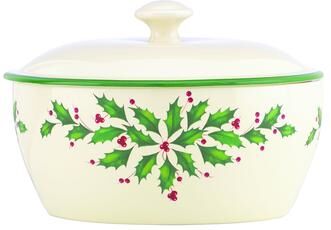
Lenox Hosting The Holidays Covered CasseroleThis Hosting the Holidays Casserole Dish is ideal for serving large dinner parties. Crafted of durable ivory porcelain, this spacious dish features a festive holly motif and comes with a matching lid.45,99 $*Shipping: 0,00 $Secure redirect to the provider
-
Lenox Hosting The Holidays Bread TrayWhether presenting an assortment of rolls or a buttery log of Texas toast, this festive ceramic Hosting the Holidays Bread Tray will not disappoint. The tray features a holly motif and is accented with 24-karat gold.44,49 $*Shipping: 0,00 $Secure redirect to the provider



-
How can I compose a fugue myself?
To compose a fugue, start by choosing a subject or theme that will be the main melody of the piece. Develop this subject by creating countersubjects and episodes that will complement and contrast with the main theme. Pay attention to the rules of fugue writing, such as maintaining strict counterpoint and following the principles of voice leading. Finally, structure your fugue by organizing the entrances of the subject and developing the piece through different keys and variations. Practice and study fugues by great composers to improve your skills in composing your own fugue. **
-
What is the motif in a fugue?
The motif in a fugue is a short musical idea or theme that is introduced at the beginning of the piece. This motif serves as the foundation for the entire composition, as it is developed and transformed throughout the fugue. It is typically heard in different voices and keys, creating a sense of unity and coherence in the music. The motif is a key element in the structure and development of a fugue, providing a framework for the intricate counterpoint and interplay of voices that characterize this musical form. **
-
How do you analyze a fugue in music?
Analyzing a fugue in music involves identifying the main theme, or subject, and its variations throughout the piece. It also involves recognizing the different voices or parts that enter with the subject in a contrapuntal manner. Paying attention to the development and interplay of these voices, as well as the use of different techniques such as inversion, retrograde, and augmentation, is crucial in understanding the structure and complexity of a fugue. Additionally, analyzing the overall form, key changes, and relationships between the different sections of the fugue can provide insight into the composer's intentions and creative choices. **
-
How does one analyze a fugue in music?
Analyzing a fugue in music involves identifying the main theme, or subject, and its variations throughout the piece. One must also recognize the different voices or parts that enter with the subject in a contrapuntal manner. It is important to pay attention to the development of the subject, as well as any episodes or sections that provide contrast to the main theme. Finally, understanding the overall structure and form of the fugue, such as the exposition, episodes, and final statement of the subject, is crucial in analyzing this complex musical form. **


How do I analyze a fugue in music?
To analyze a fugue in music, start by identifying the subject, countersubject, and episodes within the piece. Pay attention to the entrances of the subject in different voices and how they interact with each other. Look for instances of stretto, where the subject is imitated in a close overlapping manner. Consider the tonal structure and how the piece modulates between different keys. Finally, examine the overall form and structure of the fugue, including the exposition, development, and recapitulation. **
How can I compose a fugue by myself?
To compose a fugue by yourself, start by choosing a subject or theme that will be the main melody of the fugue. Then, create a countersubject that will complement the subject. Next, determine the order in which the subject and countersubject will appear in the different voices of the fugue. After that, write the exposition, where the subject and countersubject are introduced in each voice. Finally, develop the fugue by alternating between episodes and restatements of the subject and countersubject, while following the rules of counterpoint. It's important to study and analyze fugues by other composers to understand the structure and techniques used in fugue composition. **
Top-Angebote
Products related to Fugue:
-
Concord Health Supply Wrist-Worn Pulse Oximeter with Digital Software Download and Download Cable""" Rechargeable Wrist-Worn Pulse Oximeter The wrist pulse oximeter features a color, multi-direction OLED screen with four levels of brightness. The easy-to-read color OLED display can be adjusted to be readable either horizontally or vertically. The..."109,00 $*Shipping: 0,00 $Secure redirect to the provider
-
Viz Media The Art Of Kikis Delivery Service - Studio Ghibli LibraryThe Art of Kiki's Delivery Service Description: Now that she's 13 years old; it's time for young Kiki to start thinking about her future. So one night; under the light of a full moon; she grabs her black cat; Jiji; hops on her mother's broom and heads off into the night. The next day she alights upon a friendly Oceanside city; and this; she tells her loyal and furry companion; is where she'll spend the next year learning how to become a real; honest-to-goodness witch. Related Tags: Viz Media, Viz Media LLC17,99 £*Shipping: 2,99 £Secure redirect to the provider
-
Lenox Hosting The Holidays Covered CasseroleThis Hosting the Holidays Casserole Dish is ideal for serving large dinner parties. Crafted of durable ivory porcelain, this spacious dish features a festive holly motif and comes with a matching lid.45,99 $*Shipping: 0,00 $Secure redirect to the provider
-
What is the motive in a fugue?
The motive in a fugue is a short musical idea or theme that is introduced at the beginning of the piece and serves as the foundation for the entire composition. It is typically a distinctive and recognizable melody that is repeated and developed throughout the fugue. The motive is subject to various transformations such as inversion, retrograde, augmentation, and diminution as it is passed between different voices in the fugue. The motive helps to unify the composition and create a sense of coherence and structure within the complex contrapuntal texture of a fugue. **
-
What is the structure of a fugue?
A fugue typically consists of three main sections: the exposition, the middle section (episodes), and the final section (recapitulation). The exposition introduces the main theme (subject) in one voice, followed by the same theme in a different voice (answer). The middle section features episodes where the theme is developed and explored in various keys and variations. The final section brings back the theme in all voices, often with additional counterpoint and variations, leading to a climactic conclusion. **
-
How can I compose a fugue myself?
To compose a fugue, start by choosing a subject or theme that will be the main melody of the piece. Develop this subject by creating countersubjects and episodes that will complement and contrast with the main theme. Pay attention to the rules of fugue writing, such as maintaining strict counterpoint and following the principles of voice leading. Finally, structure your fugue by organizing the entrances of the subject and developing the piece through different keys and variations. Practice and study fugues by great composers to improve your skills in composing your own fugue. **
-
What is the motif in a fugue?
The motif in a fugue is a short musical idea or theme that is introduced at the beginning of the piece. This motif serves as the foundation for the entire composition, as it is developed and transformed throughout the fugue. It is typically heard in different voices and keys, creating a sense of unity and coherence in the music. The motif is a key element in the structure and development of a fugue, providing a framework for the intricate counterpoint and interplay of voices that characterize this musical form. **
Similar search terms for Fugue
-
Lenox Hosting The Holidays Bread TrayWhether presenting an assortment of rolls or a buttery log of Texas toast, this festive ceramic Hosting the Holidays Bread Tray will not disappoint. The tray features a holly motif and is accented with 24-karat gold.44,49 $*Shipping: 0,00 $Secure redirect to the provider
-
Stellar Stoneware Bantham Hosting For 4 SetIntroduce calm, contemporary style to your table with the Stellar Stoneware Bantham collection. Defined by smooth, modern contours and a soft green reactive glaze, each piece brings a fresh, artisan-inspired feel to everyday dining. Crafted from durable stoneware and fired for exceptional strength, the range offers excellent resistance to chipping and everyday wear. The naturally smooth glazed finish resists staining, cleans with ease, and provides a reassuringly balanced feel in hand. Its thick stoneware construction also enhances heat retention, helping dishes stay warmer for longer. Designed for modern living, every piece is microwave, dishwasher, and oven safe (up to 180°C), making the collection as practical as it is elegant—ideal for both daily use and relaxed entertaining. Set includes: 4 dinner plates, 4 side plates, 4x pasta bowls, 4 cereal bowls, 1x medium platter, 1x large platter and 1x serving bowl.199,95 £*Shipping: 0,00 £Secure redirect to the provider
-
Stellar Stoneware Bantham Hosting For 8 SetIntroduce calm, contemporary style to your table with the Stellar Stoneware Bantham collection. Defined by smooth, modern contours and a soft green reactive glaze, each piece brings a fresh, artisan-inspired feel to everyday dining. Crafted from durable stoneware and fired for exceptional strength, the range offers excellent resistance to chipping and everyday wear. The naturally smooth glazed finish resists staining, cleans with ease, and provides a reassuringly balanced feel in hand. Its thick stoneware construction also enhances heat retention, helping dishes stay warmer for longer. Designed for modern living, every piece is microwave, dishwasher, and oven safe (up to 180°C), making the collection as practical as it is elegant—ideal for both daily use and relaxed entertaining. Set includes: 8 dinner plates, 8 side plates, 8x pasta bowls, 8 cereal bowls, 1x medium platter, 1x large platter and 1x serving bowl324,95 £*Shipping: 0,00 £Secure redirect to the provider
-
How do you analyze a fugue in music?
Analyzing a fugue in music involves identifying the main theme, or subject, and its variations throughout the piece. It also involves recognizing the different voices or parts that enter with the subject in a contrapuntal manner. Paying attention to the development and interplay of these voices, as well as the use of different techniques such as inversion, retrograde, and augmentation, is crucial in understanding the structure and complexity of a fugue. Additionally, analyzing the overall form, key changes, and relationships between the different sections of the fugue can provide insight into the composer's intentions and creative choices. **
-
How does one analyze a fugue in music?
Analyzing a fugue in music involves identifying the main theme, or subject, and its variations throughout the piece. One must also recognize the different voices or parts that enter with the subject in a contrapuntal manner. It is important to pay attention to the development of the subject, as well as any episodes or sections that provide contrast to the main theme. Finally, understanding the overall structure and form of the fugue, such as the exposition, episodes, and final statement of the subject, is crucial in analyzing this complex musical form. **
-
How do I analyze a fugue in music?
To analyze a fugue in music, start by identifying the subject, countersubject, and episodes within the piece. Pay attention to the entrances of the subject in different voices and how they interact with each other. Look for instances of stretto, where the subject is imitated in a close overlapping manner. Consider the tonal structure and how the piece modulates between different keys. Finally, examine the overall form and structure of the fugue, including the exposition, development, and recapitulation. **
-
How can I compose a fugue by myself?
To compose a fugue by yourself, start by choosing a subject or theme that will be the main melody of the fugue. Then, create a countersubject that will complement the subject. Next, determine the order in which the subject and countersubject will appear in the different voices of the fugue. After that, write the exposition, where the subject and countersubject are introduced in each voice. Finally, develop the fugue by alternating between episodes and restatements of the subject and countersubject, while following the rules of counterpoint. It's important to study and analyze fugues by other composers to understand the structure and techniques used in fugue composition. **
* All prices are inclusive of VAT and, if applicable, plus shipping costs. The offer information is based on the details provided by the respective shop and is updated through automated processes. Real-time updates do not occur, so deviations can occur in individual cases. ** Note: Parts of this content were created by AI.