Buy fastpic.eu ?
We are moving the project
fastpic.eu .
Are you interested in purchasing the domain
fastpic.eu ?
domain@kv-gmbh.de · 0541-91531010
Buy fastpic.eu ?
What is the purpose of radical bromination?
The purpose of radical bromination is to introduce a bromine atom into a molecule by using a radical mechanism. This reaction is commonly used in organic chemistry to selectively substitute a hydrogen atom with a bromine atom. Radical bromination can be used to synthesize various brominated compounds, which can have different properties and reactivities compared to their non-brominated counterparts. This method is particularly useful in the synthesis of pharmaceuticals, agrochemicals, and materials science. **
How is the bromination of benzene carried out?
The bromination of benzene is carried out by using a Lewis acid catalyst, typically iron(III) bromide (FeBr3), in the presence of a bromine source such as bromine (Br2) or a bromine donor like N-bromosuccinimide (NBS). The reaction takes place at room temperature or slightly elevated temperatures and does not require the use of a strong electrophile due to the high electron density of the benzene ring. The Lewis acid catalyst helps to polarize the bromine molecule, making it more reactive towards the benzene ring, leading to the substitution of a hydrogen atom with a bromine atom. **

Similar search terms for Bromination
Top-Angebote
Products related to Bromination:
-
Viz Media The Art Of Kikis Delivery Service - Studio Ghibli LibraryThe Art of Kiki's Delivery Service Description: Now that she's 13 years old; it's time for young Kiki to start thinking about her future. So one night; under the light of a full moon; she grabs her black cat; Jiji; hops on her mother's broom and heads off into the night. The next day she alights upon a friendly Oceanside city; and this; she tells her loyal and furry companion; is where she'll spend the next year learning how to become a real; honest-to-goodness witch. Related Tags: Viz Media, Viz Media LLC17,99 £*Shipping: 2,99 £Secure redirect to the provider
-
Lenox Hosting The Holidays Covered CasseroleThis Hosting the Holidays Casserole Dish is ideal for serving large dinner parties. Crafted of durable ivory porcelain, this spacious dish features a festive holly motif and comes with a matching lid.45,99 $*Shipping: 0,00 $Secure redirect to the provider




-
How is the bromination of hexene carried out?
The bromination of hexene is typically carried out by adding elemental bromine (Br2) to a solution of hexene in a non-reactive solvent, such as carbon tetrachloride or dichloromethane. The reaction is usually carried out at room temperature or slightly below, and the addition of a small amount of a catalyst, such as a Lewis acid like aluminum bromide, may be used to facilitate the reaction. The bromine molecule adds across the carbon-carbon double bond of the hexene, resulting in the formation of a dibromoalkane product. The reaction is typically carried out under controlled conditions to ensure the safety and efficiency of the process. **
-
How is the bromination of ethane carried out?
The bromination of ethane is carried out by reacting ethane with bromine gas in the presence of a catalyst such as iron or aluminum. The reaction takes place at room temperature and atmospheric pressure. The bromine molecule breaks apart and adds to the carbon-carbon double bond in ethane, resulting in the formation of 1,2-dibromoethane. This reaction is an example of an addition reaction, where the bromine atoms add across the double bond of ethane. **
-
What is the experiment for the bromination of phenol?
The experiment for the bromination of phenol involves adding bromine water dropwise to a solution of phenol in an organic solvent, such as dichloromethane. The reaction is typically carried out at room temperature with stirring. The bromine water will react with phenol to form 2,4,6-tribromophenol, which can be isolated and purified by techniques such as extraction and recrystallization. The progress of the reaction can be monitored by observing the color change from red-brown to colorless as the bromine is consumed. **
-
What products are formed in the bromination of ethane?
In the bromination of ethane, the primary products formed are bromoethane (ethyl bromide) and hydrogen bromide. The reaction involves the substitution of a hydrogen atom in ethane with a bromine atom, resulting in the formation of bromoethane. Additionally, hydrogen bromide is also produced as a byproduct of the reaction. **


What products are formed during the bromination of ethane?
During the bromination of ethane, the products formed are bromoethane (C2H5Br) and hydrogen bromide (HBr). The reaction involves the substitution of a hydrogen atom in ethane with a bromine atom, resulting in the formation of bromoethane. Additionally, hydrogen bromide is also produced as a byproduct of the reaction. **
How is the bromination of p-xylene carried out?
The bromination of p-xylene is typically carried out by reacting p-xylene with bromine in the presence of a Lewis acid catalyst, such as aluminum bromide. The reaction takes place at a high temperature, usually around 100-150°C, to facilitate the substitution of a hydrogen atom on the aromatic ring with a bromine atom. The Lewis acid catalyst helps to activate the bromine and increase the electrophilicity of the bromine, allowing it to attack the aromatic ring and replace a hydrogen atom. The resulting product is 1,4-dibromop-xylene. **
Top-Angebote
Products related to Bromination:
-
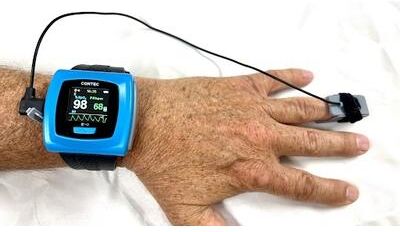
Concord Health Supply Wrist-Worn Pulse Oximeter with Digital Software Download and Download Cable""" Rechargeable Wrist-Worn Pulse Oximeter The wrist pulse oximeter features a color, multi-direction OLED screen with four levels of brightness. The easy-to-read color OLED display can be adjusted to be readable either horizontally or vertically. The..."109,00 $*Shipping: 0,00 $Secure redirect to the provider
-
Inline Speed Skates Powerslide Stream Carbon 125 (Black - 5) - Black;Grey - Size: 5 UKPowerslide Stream Carbon 125 Inline Speed Skates: Where Velocity Meets Comfort Elevate your skating experience with Powerslide's innovative Stream Carbon 125 Inline Speed Skates. These skates set new standards in performance and luxury, integrating high velocity, exceptional comfort, and striking design. The lightweight carbon shell, which can be customised through heat moulding, provides an unmatched fit that effortlessly transfers power to the road. Its robust nano leather upper radiates contemporary elegance. Experience comfort that enables hours of skating without weariness. The pioneering 3x125mm wheels and premium Magnesium Elite frame offer an exceptional ride during marathons. Whether you are a seasoned enthusiast or just starting to enjoy the excitement of skating, the Powerslide Stream Carbon 125 Skates deliver an unparalleled journey. Get ready to master roads with speed, style, and comfort.339,95 £*Shipping: 0,00 £Secure redirect to the provider
-
Viz Media The Art Of Kikis Delivery Service - Studio Ghibli LibraryThe Art of Kiki's Delivery Service Description: Now that she's 13 years old; it's time for young Kiki to start thinking about her future. So one night; under the light of a full moon; she grabs her black cat; Jiji; hops on her mother's broom and heads off into the night. The next day she alights upon a friendly Oceanside city; and this; she tells her loyal and furry companion; is where she'll spend the next year learning how to become a real; honest-to-goodness witch. Related Tags: Viz Media, Viz Media LLC17,99 £*Shipping: 2,99 £Secure redirect to the provider
-
What is the purpose of radical bromination?
The purpose of radical bromination is to introduce a bromine atom into a molecule by using a radical mechanism. This reaction is commonly used in organic chemistry to selectively substitute a hydrogen atom with a bromine atom. Radical bromination can be used to synthesize various brominated compounds, which can have different properties and reactivities compared to their non-brominated counterparts. This method is particularly useful in the synthesis of pharmaceuticals, agrochemicals, and materials science. **
-
How is the bromination of benzene carried out?
The bromination of benzene is carried out by using a Lewis acid catalyst, typically iron(III) bromide (FeBr3), in the presence of a bromine source such as bromine (Br2) or a bromine donor like N-bromosuccinimide (NBS). The reaction takes place at room temperature or slightly elevated temperatures and does not require the use of a strong electrophile due to the high electron density of the benzene ring. The Lewis acid catalyst helps to polarize the bromine molecule, making it more reactive towards the benzene ring, leading to the substitution of a hydrogen atom with a bromine atom. **
-
How is the bromination of hexene carried out?
The bromination of hexene is typically carried out by adding elemental bromine (Br2) to a solution of hexene in a non-reactive solvent, such as carbon tetrachloride or dichloromethane. The reaction is usually carried out at room temperature or slightly below, and the addition of a small amount of a catalyst, such as a Lewis acid like aluminum bromide, may be used to facilitate the reaction. The bromine molecule adds across the carbon-carbon double bond of the hexene, resulting in the formation of a dibromoalkane product. The reaction is typically carried out under controlled conditions to ensure the safety and efficiency of the process. **
-
How is the bromination of ethane carried out?
The bromination of ethane is carried out by reacting ethane with bromine gas in the presence of a catalyst such as iron or aluminum. The reaction takes place at room temperature and atmospheric pressure. The bromine molecule breaks apart and adds to the carbon-carbon double bond in ethane, resulting in the formation of 1,2-dibromoethane. This reaction is an example of an addition reaction, where the bromine atoms add across the double bond of ethane. **
Similar search terms for Bromination
-
Lenox Hosting The Holidays Covered CasseroleThis Hosting the Holidays Casserole Dish is ideal for serving large dinner parties. Crafted of durable ivory porcelain, this spacious dish features a festive holly motif and comes with a matching lid.45,99 $*Shipping: 0,00 $Secure redirect to the provider
-
Lenox Hosting The Holidays Bread TrayWhether presenting an assortment of rolls or a buttery log of Texas toast, this festive ceramic Hosting the Holidays Bread Tray will not disappoint. The tray features a holly motif and is accented with 24-karat gold.44,49 $*Shipping: 0,00 $Secure redirect to the provider
-
Scholastic Share Black Stories: Picture Book ProfilesThese three stories are tales of hope, courage, and inspiration.This set includes:Bessie the Motorcycle QueenI Am Ruby BridgesJust Like Jesse Owens Share Black Stories: Picture Book Profiles47,57 $*Shipping: 0,00 $Secure redirect to the provider
-
What is the experiment for the bromination of phenol?
The experiment for the bromination of phenol involves adding bromine water dropwise to a solution of phenol in an organic solvent, such as dichloromethane. The reaction is typically carried out at room temperature with stirring. The bromine water will react with phenol to form 2,4,6-tribromophenol, which can be isolated and purified by techniques such as extraction and recrystallization. The progress of the reaction can be monitored by observing the color change from red-brown to colorless as the bromine is consumed. **
-
What products are formed in the bromination of ethane?
In the bromination of ethane, the primary products formed are bromoethane (ethyl bromide) and hydrogen bromide. The reaction involves the substitution of a hydrogen atom in ethane with a bromine atom, resulting in the formation of bromoethane. Additionally, hydrogen bromide is also produced as a byproduct of the reaction. **
-
What products are formed during the bromination of ethane?
During the bromination of ethane, the products formed are bromoethane (C2H5Br) and hydrogen bromide (HBr). The reaction involves the substitution of a hydrogen atom in ethane with a bromine atom, resulting in the formation of bromoethane. Additionally, hydrogen bromide is also produced as a byproduct of the reaction. **
-
How is the bromination of p-xylene carried out?
The bromination of p-xylene is typically carried out by reacting p-xylene with bromine in the presence of a Lewis acid catalyst, such as aluminum bromide. The reaction takes place at a high temperature, usually around 100-150°C, to facilitate the substitution of a hydrogen atom on the aromatic ring with a bromine atom. The Lewis acid catalyst helps to activate the bromine and increase the electrophilicity of the bromine, allowing it to attack the aromatic ring and replace a hydrogen atom. The resulting product is 1,4-dibromop-xylene. **
* All prices are inclusive of VAT and, if applicable, plus shipping costs. The offer information is based on the details provided by the respective shop and is updated through automated processes. Real-time updates do not occur, so deviations can occur in individual cases. ** Note: Parts of this content were created by AI.