Buy fastpic.eu ?
We are moving the project
fastpic.eu .
Are you interested in purchasing the domain
fastpic.eu ?
domain@kv-gmbh.de · 0541-91531010
Buy fastpic.eu ?
How is ATP formed?
ATP is formed through the process of cellular respiration, which occurs in the mitochondria of cells. During cellular respiration, glucose is broken down in a series of steps, releasing energy that is used to convert ADP (adenosine diphosphate) into ATP (adenosine triphosphate). This process involves the electron transport chain and the production of ATP synthase, which adds a phosphate group to ADP to form ATP. Overall, ATP is formed through the transfer of energy from glucose to ADP, creating a molecule that serves as the primary energy source for cellular activities. **
What are ATP and ADP?
ATP (adenosine triphosphate) is a molecule that stores and transfers energy within cells. It is often referred to as the "energy currency" of the cell because it provides the energy needed for various cellular processes. When ATP is used for energy, it is converted to ADP (adenosine diphosphate) by releasing one phosphate group, along with the energy stored in the bond. ADP can then be converted back to ATP through cellular respiration to replenish the cell's energy supply. **

Similar search terms for Atp
Top-Angebote
Products related to Atp:
-
Viz Media The Art Of Kikis Delivery Service - Studio Ghibli LibraryThe Art of Kiki's Delivery Service Description: Now that she's 13 years old; it's time for young Kiki to start thinking about her future. So one night; under the light of a full moon; she grabs her black cat; Jiji; hops on her mother's broom and heads off into the night. The next day she alights upon a friendly Oceanside city; and this; she tells her loyal and furry companion; is where she'll spend the next year learning how to become a real; honest-to-goodness witch. Related Tags: Viz Media, Viz Media LLC17,99 £*Shipping: 2,99 £Secure redirect to the provider
-
Lenox Hosting The Holidays Covered CasseroleThis Hosting the Holidays Casserole Dish is ideal for serving large dinner parties. Crafted of durable ivory porcelain, this spacious dish features a festive holly motif and comes with a matching lid.45,99 $*Shipping: 0,00 $Secure redirect to the provider
-
Lenox Hosting The Holidays Bread TrayWhether presenting an assortment of rolls or a buttery log of Texas toast, this festive ceramic Hosting the Holidays Bread Tray will not disappoint. The tray features a holly motif and is accented with 24-karat gold.44,49 $*Shipping: 0,00 $Secure redirect to the provider
-
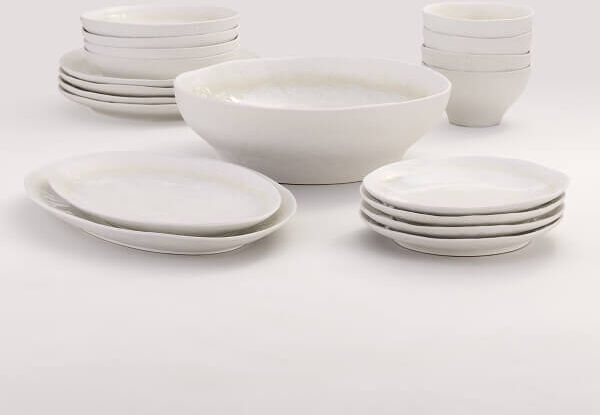
Stellar Stoneware Bantham Hosting For 4 SetIntroduce calm, contemporary style to your table with the Stellar Stoneware Bantham collection. Defined by smooth, modern contours and a soft green reactive glaze, each piece brings a fresh, artisan-inspired feel to everyday dining. Crafted from durable stoneware and fired for exceptional strength, the range offers excellent resistance to chipping and everyday wear. The naturally smooth glazed finish resists staining, cleans with ease, and provides a reassuringly balanced feel in hand. Its thick stoneware construction also enhances heat retention, helping dishes stay warmer for longer. Designed for modern living, every piece is microwave, dishwasher, and oven safe (up to 180°C), making the collection as practical as it is elegant—ideal for both daily use and relaxed entertaining. Set includes: 4 dinner plates, 4 side plates, 4x pasta bowls, 4 cereal bowls, 1x medium platter, 1x large platter and 1x serving bowl.199,95 £*Shipping: 0,00 £Secure redirect to the provider




-
What is ATP explained simply?
ATP, or adenosine triphosphate, is often referred to as the "energy currency" of the cell. It is a molecule that stores and transfers energy within cells for various cellular processes. When ATP is broken down into ADP (adenosine diphosphate) and inorganic phosphate, energy is released and can be used by the cell to fuel activities such as muscle contractions, nerve impulses, and protein synthesis. In essence, ATP provides the necessary energy for cells to carry out their functions and maintain life. **
-
What are glucose and ATP?
Glucose is a simple sugar that serves as the primary source of energy for our cells. It is obtained from the food we eat and is broken down through a series of metabolic processes to produce ATP (adenosine triphosphate). ATP is often referred to as the "energy currency" of the cell because it stores and transfers energy within cells for various cellular functions. Both glucose and ATP play crucial roles in providing energy for the body to carry out its daily functions. **
-
Where does ATP come from?
ATP, or adenosine triphosphate, is produced in the mitochondria of cells through a process called cellular respiration. During cellular respiration, glucose is broken down in the presence of oxygen to produce ATP, which serves as the primary energy source for cellular activities. Additionally, ATP can also be generated through the process of photosynthesis in plant cells, where sunlight is used to convert carbon dioxide and water into glucose and oxygen, ultimately leading to the production of ATP. **
-
What is ATP in biology?
ATP, or adenosine triphosphate, is a molecule that serves as the primary energy currency in living organisms. It is composed of an adenosine molecule and three phosphate groups, and its high-energy phosphate bonds store and release energy for cellular processes. ATP is produced during cellular respiration and photosynthesis, and it is used to power various biological processes such as muscle contraction, active transport, and chemical synthesis. In essence, ATP is essential for the functioning and survival of all living organisms. **

What is the meaning of ATP?
ATP stands for adenosine triphosphate, which is a molecule that serves as the primary energy carrier in cells. It is often referred to as the "energy currency" of the cell because it provides the energy necessary for various cellular processes, such as muscle contraction, nerve impulse transmission, and chemical synthesis. ATP is produced through cellular respiration and is used by cells to fuel their metabolic activities. **
What are ATP, ADP, and AMP?
ATP (adenosine triphosphate) is a molecule that stores and transfers energy within cells. When ATP is used for energy, it is converted into ADP (adenosine diphosphate) by removing a phosphate group. Further breakdown of ADP results in AMP (adenosine monophosphate) by removing another phosphate group. These molecules are crucial for energy transfer and storage in various cellular processes. **
Top-Angebote
Products related to Atp:
-
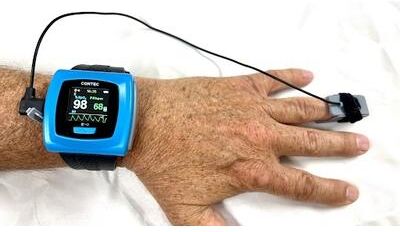
Concord Health Supply Wrist-Worn Pulse Oximeter with Digital Software Download and Download Cable""" Rechargeable Wrist-Worn Pulse Oximeter The wrist pulse oximeter features a color, multi-direction OLED screen with four levels of brightness. The easy-to-read color OLED display can be adjusted to be readable either horizontally or vertically. The..."109,00 $*Shipping: 0,00 $Secure redirect to the provider
-
Viz Media The Art Of Kikis Delivery Service - Studio Ghibli LibraryThe Art of Kiki's Delivery Service Description: Now that she's 13 years old; it's time for young Kiki to start thinking about her future. So one night; under the light of a full moon; she grabs her black cat; Jiji; hops on her mother's broom and heads off into the night. The next day she alights upon a friendly Oceanside city; and this; she tells her loyal and furry companion; is where she'll spend the next year learning how to become a real; honest-to-goodness witch. Related Tags: Viz Media, Viz Media LLC17,99 £*Shipping: 2,99 £Secure redirect to the provider
-
Lenox Hosting The Holidays Covered CasseroleThis Hosting the Holidays Casserole Dish is ideal for serving large dinner parties. Crafted of durable ivory porcelain, this spacious dish features a festive holly motif and comes with a matching lid.45,99 $*Shipping: 0,00 $Secure redirect to the provider
-
How is ATP formed?
ATP is formed through the process of cellular respiration, which occurs in the mitochondria of cells. During cellular respiration, glucose is broken down in a series of steps, releasing energy that is used to convert ADP (adenosine diphosphate) into ATP (adenosine triphosphate). This process involves the electron transport chain and the production of ATP synthase, which adds a phosphate group to ADP to form ATP. Overall, ATP is formed through the transfer of energy from glucose to ADP, creating a molecule that serves as the primary energy source for cellular activities. **
-
What are ATP and ADP?
ATP (adenosine triphosphate) is a molecule that stores and transfers energy within cells. It is often referred to as the "energy currency" of the cell because it provides the energy needed for various cellular processes. When ATP is used for energy, it is converted to ADP (adenosine diphosphate) by releasing one phosphate group, along with the energy stored in the bond. ADP can then be converted back to ATP through cellular respiration to replenish the cell's energy supply. **
-
What is ATP explained simply?
ATP, or adenosine triphosphate, is often referred to as the "energy currency" of the cell. It is a molecule that stores and transfers energy within cells for various cellular processes. When ATP is broken down into ADP (adenosine diphosphate) and inorganic phosphate, energy is released and can be used by the cell to fuel activities such as muscle contractions, nerve impulses, and protein synthesis. In essence, ATP provides the necessary energy for cells to carry out their functions and maintain life. **
-
What are glucose and ATP?
Glucose is a simple sugar that serves as the primary source of energy for our cells. It is obtained from the food we eat and is broken down through a series of metabolic processes to produce ATP (adenosine triphosphate). ATP is often referred to as the "energy currency" of the cell because it stores and transfers energy within cells for various cellular functions. Both glucose and ATP play crucial roles in providing energy for the body to carry out its daily functions. **
Similar search terms for Atp
-
Lenox Hosting The Holidays Bread TrayWhether presenting an assortment of rolls or a buttery log of Texas toast, this festive ceramic Hosting the Holidays Bread Tray will not disappoint. The tray features a holly motif and is accented with 24-karat gold.44,49 $*Shipping: 0,00 $Secure redirect to the provider
-
Stellar Stoneware Bantham Hosting For 4 SetIntroduce calm, contemporary style to your table with the Stellar Stoneware Bantham collection. Defined by smooth, modern contours and a soft green reactive glaze, each piece brings a fresh, artisan-inspired feel to everyday dining. Crafted from durable stoneware and fired for exceptional strength, the range offers excellent resistance to chipping and everyday wear. The naturally smooth glazed finish resists staining, cleans with ease, and provides a reassuringly balanced feel in hand. Its thick stoneware construction also enhances heat retention, helping dishes stay warmer for longer. Designed for modern living, every piece is microwave, dishwasher, and oven safe (up to 180°C), making the collection as practical as it is elegant—ideal for both daily use and relaxed entertaining. Set includes: 4 dinner plates, 4 side plates, 4x pasta bowls, 4 cereal bowls, 1x medium platter, 1x large platter and 1x serving bowl.199,95 £*Shipping: 0,00 £Secure redirect to the provider
-
Stellar Stoneware Bantham Hosting For 8 SetIntroduce calm, contemporary style to your table with the Stellar Stoneware Bantham collection. Defined by smooth, modern contours and a soft green reactive glaze, each piece brings a fresh, artisan-inspired feel to everyday dining. Crafted from durable stoneware and fired for exceptional strength, the range offers excellent resistance to chipping and everyday wear. The naturally smooth glazed finish resists staining, cleans with ease, and provides a reassuringly balanced feel in hand. Its thick stoneware construction also enhances heat retention, helping dishes stay warmer for longer. Designed for modern living, every piece is microwave, dishwasher, and oven safe (up to 180°C), making the collection as practical as it is elegant—ideal for both daily use and relaxed entertaining. Set includes: 8 dinner plates, 8 side plates, 8x pasta bowls, 8 cereal bowls, 1x medium platter, 1x large platter and 1x serving bowl324,95 £*Shipping: 0,00 £Secure redirect to the provider
-
Stellar Stoneware Mylor Hosting For 4 SetElevate everyday dining with the Stellar Stoneware Mylor collection, defined by its rich reactive glaze that gives each piece a subtly unique character. Blending warmth with understated style, Mylor brings a considered, artisanal touch to both casual meals and relaxed entertaining. Crafted from durable stoneware and fired for strength, each piece is designed to withstand daily use while maintaining its refined appearance. Plates and bowls are thoughtfully weighted for a balanced, comfortable feel in hand—offering reassuring sturdiness without compromising elegance. The thick stoneware construction also provides excellent heat retention, helping dishes stay warmer for longer. Designed for modern living, the collection is microwave and dishwasher safe, and suitable for oven use up to 180°C—ideal for everything from reheating to finishing dishes. Set includes: 4 dinner plates, 4 side plates, 4x pasta bowls, 4 cereal bowls, 1x medium platter, 1x large platter and 1x serving bowl.199,95 £*Shipping: 0,00 £Secure redirect to the provider
-
Where does ATP come from?
ATP, or adenosine triphosphate, is produced in the mitochondria of cells through a process called cellular respiration. During cellular respiration, glucose is broken down in the presence of oxygen to produce ATP, which serves as the primary energy source for cellular activities. Additionally, ATP can also be generated through the process of photosynthesis in plant cells, where sunlight is used to convert carbon dioxide and water into glucose and oxygen, ultimately leading to the production of ATP. **
-
What is ATP in biology?
ATP, or adenosine triphosphate, is a molecule that serves as the primary energy currency in living organisms. It is composed of an adenosine molecule and three phosphate groups, and its high-energy phosphate bonds store and release energy for cellular processes. ATP is produced during cellular respiration and photosynthesis, and it is used to power various biological processes such as muscle contraction, active transport, and chemical synthesis. In essence, ATP is essential for the functioning and survival of all living organisms. **
-
What is the meaning of ATP?
ATP stands for adenosine triphosphate, which is a molecule that serves as the primary energy carrier in cells. It is often referred to as the "energy currency" of the cell because it provides the energy necessary for various cellular processes, such as muscle contraction, nerve impulse transmission, and chemical synthesis. ATP is produced through cellular respiration and is used by cells to fuel their metabolic activities. **
-
What are ATP, ADP, and AMP?
ATP (adenosine triphosphate) is a molecule that stores and transfers energy within cells. When ATP is used for energy, it is converted into ADP (adenosine diphosphate) by removing a phosphate group. Further breakdown of ADP results in AMP (adenosine monophosphate) by removing another phosphate group. These molecules are crucial for energy transfer and storage in various cellular processes. **
* All prices are inclusive of VAT and, if applicable, plus shipping costs. The offer information is based on the details provided by the respective shop and is updated through automated processes. Real-time updates do not occur, so deviations can occur in individual cases. ** Note: Parts of this content were created by AI.